
"You Are the Answer to What Ails America!"
"Learn the 6 principles that let you fulfill that role in 5 minutes a week."
Quotes
Founders
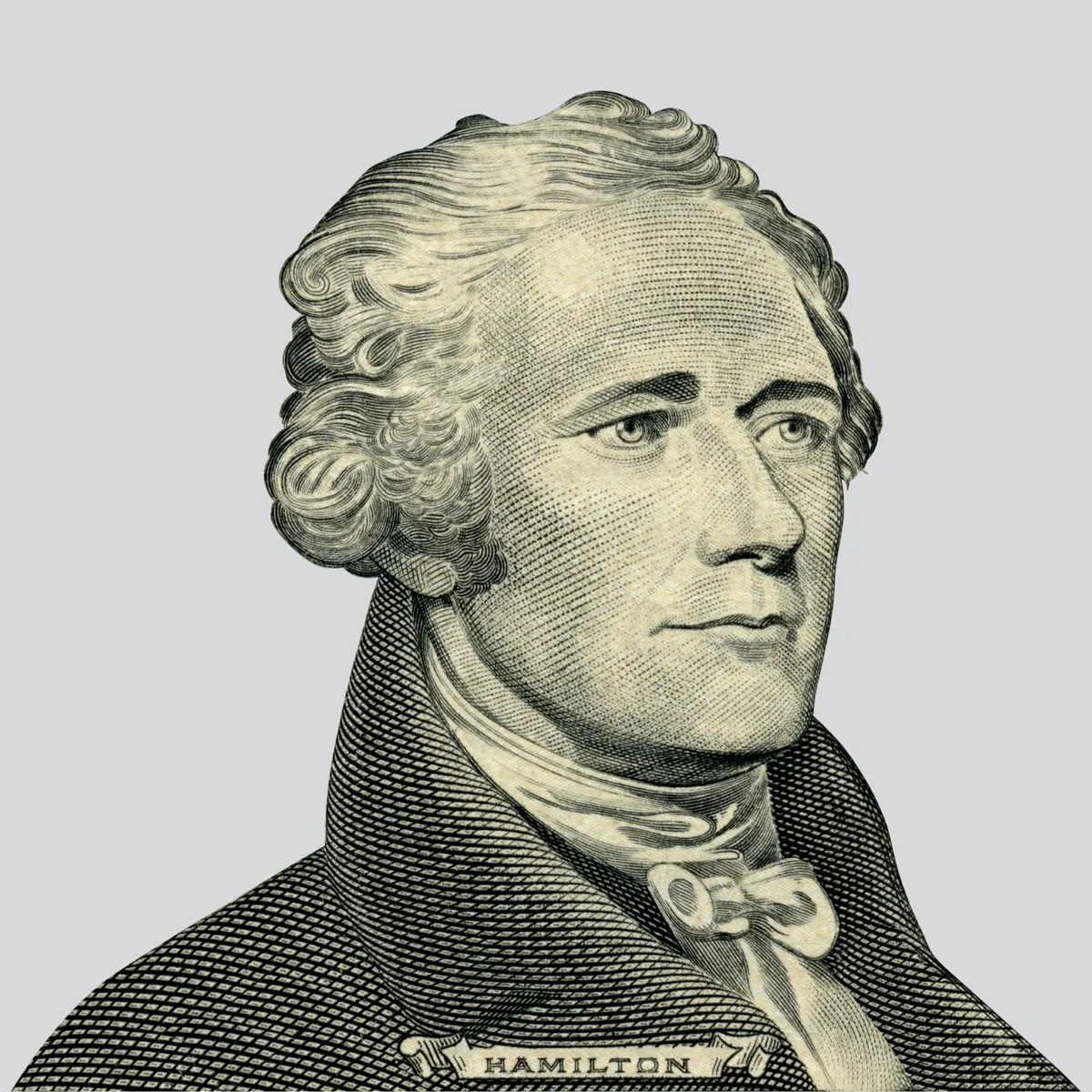
“This balance between the national and state governments ought to be dwelt on with peculiar attention, as it is of the utmost importance. It forms a double security to the people. If one encroaches on their rights they will find a powerful protection in the other. Indeed, they will both be prevented from over passing their constitutional limits by a certain rivalship, which will ever subsist between them. - Alexander Hamilton
Source: Alexander Hamilton, speech to the New York Ratifying Convention, 1788
Tags: balance, balanced govt, checks, constitutional limits, double security, federalism & states, limited government, structure & checks, the people establish limited government
“For my own part, I sincerely esteem it a system, which without the finger of God, never could have been suggested and agreed upon by such a diversity of interest.” - Alexander Hamilton
Source: Alexander Hamilton, Statement after Constitutional Convention, 1787
Tags: finger of god
“We may safely rely on the disposition of the state legislatures to erect barriers against the encroachments of the national authority.” - Alexander Hamilton
Source: Alexander Hamilton, Federalist 85, 1788
Tags: limited government
“It may safely be received as an axiom in our political system, that the State governments will, in all possible contingencies, afford complete security against invasions of the public liberty by the national authority.” - Alexander Hamilton
Source: Alexander Hamilton
Tags: checks, federalism & states, federalist no. 28, liberty & rights
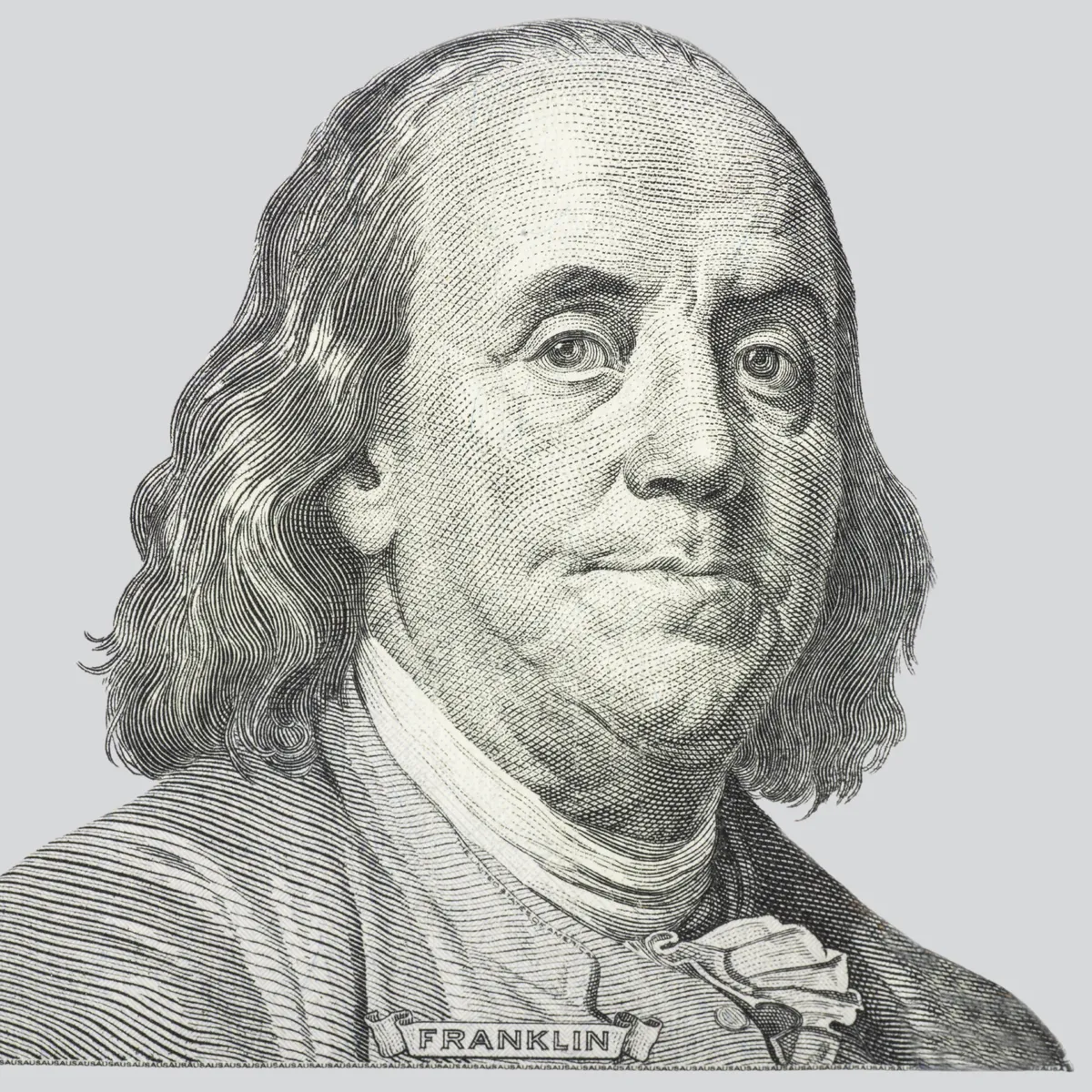
In these sentiments, Sir, I agree to this Constitution with all its faults, if they are such; because I think a general Government necessary for us, and there is no form of Government but what may be a blessing to the people if well administered, and believe farther that this is likely to be well administered for a course of years, and can only end in Despotism, as other forms have done before it, when the people shall become so corrupted as to need despotic Government, being incapable of any other. - Benjamin Franklin
Source: James Madison's Notes of the Constitutional Convention (September 17, 1787)
Tags: tyranny & centralization, virtue, virtue & character
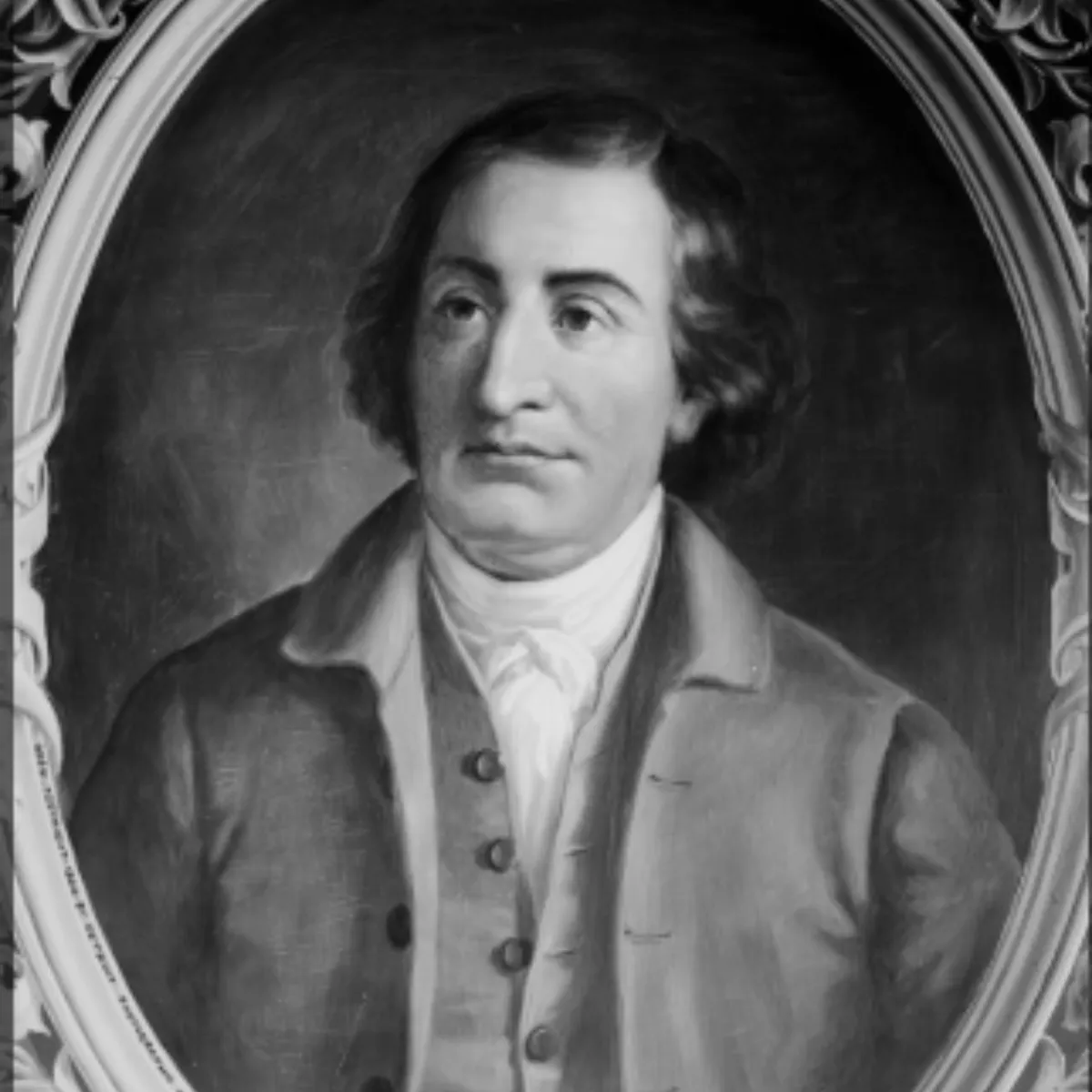
But I am sanguine in hoping that in every other justly obnoxious clause, Virginia will be seconded by a majority of the States. I hope that she will be seconded. ...5. In drawing a line between the powers of congress and individual States; and in defining the former, so as to leave no clashing of jurisdictions nor dangerous disputes; and to prevent the one from being swallowed up by the other, under cover of general words, and implication. - Edmund Randolph
Source: Gov. Edmund Randolph, October 10, 1787Gov. Edmund Randolph, October 10, 1787
Tags: tyranny & centralization, virtue, virtue & character
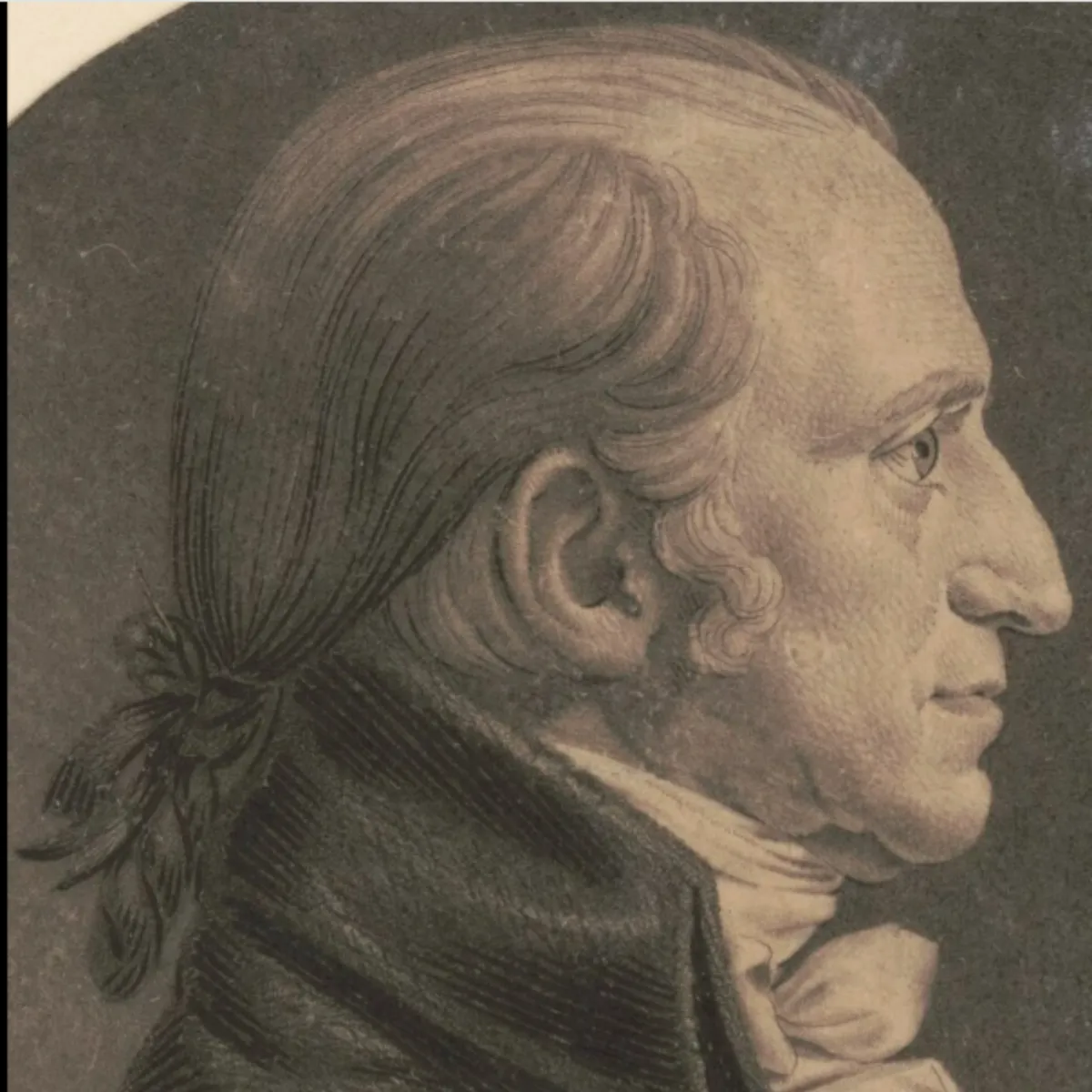
“We must confine ourselves to the powers described in the Constitution, and the moment we pass it, we take an arbitrary stride towards a despotic Government.” – James Jackson
Source: James Jackson, First Congress, 1st Annals of Congress, 1789, 489
Tags: tyranny & centralization
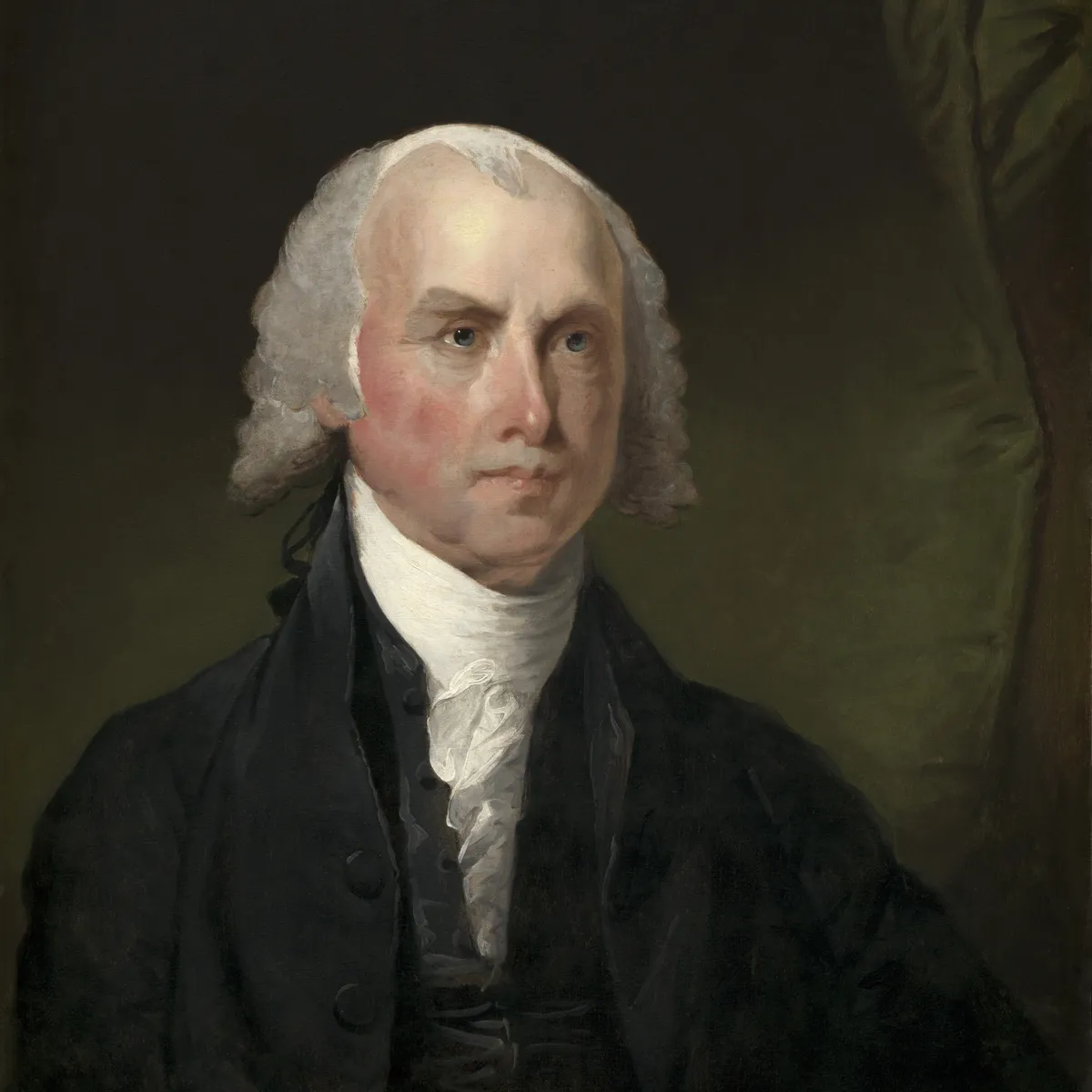
“In a single republic, all the power surrendered by the people is submitted to the administration of a single government; and the usurpations are guarded against by a division of the government into distinct and separate departments. In the compound republic of America, the power surrendered by the people is first divided between two distinct governments, and then the portion allotted to each subdivided among distinct and separate departments. Hence a double security arises to the rights of the people. The different governments will control each other, at the same time that each will be controlled by itself.” - James Madison
Source: James Madison, Federalist No. 51, 1788
Tags: 9th amendment, compound republic, divisions of govt, double security, federalism & states, govt structure, liberty & rights, limited government, structure & checks
“The powers delegated by the proposed Constitution to the Federal Government, are few and defined. Those which are to remain in the State Governments are numerous and indefinite. The former will be exercised principally on external objects, as war, peace, negotiation, and foreign commerce; with which last the power of taxation will for the most part be connected. The powers reserved to the several States will extend to all the objects, which, in the ordinary course of affairs, concern the lives, liberties and properties of the people; and the internal order, improvement, and prosperity of the State.” – James Madison
Source: James Madison, Federalist No. 45, 1788
Tags: debt & fiscal, federalism & states, few and defined, liberty & rights, limited government, limits, police power & jurisdiction, reserved powers / 10th Amendment
“[T]he powers of the federal government are enumerated; it can only operate in certain cases; it has legislative powers on defined and limited objects, beyond which it cannot extend its jurisdiction.” – James Madison
Source: James Madison, Speech at the Virginia Ratifying Convention, June 6, 1788
Tags: defined and limited, enumerated, jurisdiction, limited government, limits, police power & jurisdiction, the people establish limited government
“It may be a reflection on human nature, that such devices should be necessary to control the abuses of government. But what is government itself, but the greatest of all reflections on human nature? If men were angels, no government would be necessary. If angels were to govern men, neither external nor internal controls on government would be necessary. In framing a government which is to be administered by men over men, the great difficulty lies in this: you must first enable the government to control the governed; and in the next place oblige it to control itself. A dependence on the people is, no doubt, the primary control on the government; but experience has taught mankind the necessity of auxiliary precautions.” – James Madison
Source: James Madison, Federalist 51, 1788
Tags: external controls
“It will be of little avail to the people that the laws are made by men of their own choice, if the laws be so voluminous that they cannot be read, or so incoherent that they cannot be understood; if they be repealed or revised before they are promulgated, or undergo such incessant changes that no man who knows what the law is today can guess what it will be tomorrow.” – James Madison
Source: James Madison, Federalist 62, 1788
Tags: voluminous laws
“[T]he State Legislatures will jealously and closely watch the operations of this Government, and be able to resist with more effect every assumption of power, than any other power on earth can do; and the greatest opponents to a Federal Government admit the State Legislatures to be sure guardians of the people’s liberty.” – James Madison
Source: James Madison, Introduction of the Bill of Rights, The Annals of Congress, House of Representatives, First Congress, 1st Session, 448-460, 1789
Tags: civic duty & participation, federalism & states, liberty & rights
“On the other hand, should an unwarrantable measure of the federal government be unpopular in particular states, which would seldom fail to be the case, or even a warrantable measure be so, which may sometimes be the case, the means of opposition to it are powerful and at hand. The disquietude of the people, their repugnance and perhaps refusal to co-operate with the officers of the union, the frowns of the executive magistracy [officials] of the state, the embarrassments [i.e., in modern English, the “obstacles”] created by legislative devices, which would often be added on such occasions, would [p]ose in any state difficulties not to be despised; would form in a large state very serious impediments, and where the sentiments of several adjoining states happened to be in union, would present obstructions which the federal government would hardly be willing to encounter.” – James Madison
Source: James Madison, Federalist 46, 1788
Tags: federalism & states, union & association
“But ambitious encroachments of the federal government, on the authority of the state governments, would not excite the opposition of a single state or of a few states only. They would be signals of general alarm. Every government would espouse the common cause. A correspondence would be opened. Plans of resistance would be concerted. One spirit would animate and conduct the whole. The same combinations in short would result from an apprehension of the federal, as was produced by the dread of a foreign yoke; and unless the projected innovations should be voluntarily renounced, the same appeal to a trial of force would be made in the one case, as was made in the other.” – James Madison
Source: James Madison, Federalist 46, 1788
Tags: federalism & states, limited government
“If Congress can employ money indefinitely to the general welfare, and are the sole and supreme judges of the general welfare, they may take the care of religion into their own hands; they may appoint teachers in every state, county and parish and pay them out of their public treasury; they may take into their own hands the education of children, establishing in like manner schools throughout the union; they may assume the provision of the poor; they may undertake the regulation of all roads other than post-roads; in short, everything, from the highest object of state legislation down to the most minute object of police, would be thrown under the power of Congress … were the power of congress to be established in the latitude contended for, it would subvert the very foundations, and transmute the very nature of the limited government established by the people of America.” – James Madison
Source: James Madison, First U.S. Congress Floor Debate, 1792
Tags: courts & judiciary, debt & fiscal, knowledge & education, limited government, the people establish limited government, union & association, virtue & character
“With respect to the words “general welfare,” I have always regarded them as qualified by the detail of powers connected with them. To take them in a literal and unlimited sense would be a metamorphosis of the Constitution into a character which there is a host of proofs was not contemplated by its creators.” – James Madison
Source: James Madison, Letter to James Robertson, 1831
Tags: limited government, the people establish limited government, virtue & character
“I cannot undertake to lay my finger upon an article of the Constitution which granted a right to Congress of expending, on the objects of benevolence, the money of their constituents.” – James Madison
Source: James Madison, Annals of Congress, 3rd Congress, 170, 1794
Tags: debt & fiscal
“The state government will have the advantage of the federal government, whether we compare them in respect to the immediate dependence of the one on the other; to the weight of personal influence which each side will possess; to the powers respectively vested in them; to the predilection and probable support of the people; to the disposition and faculty of resisting and frustrating the measures of each other.” James Madison
Source: James Madison, Federalist 45, 1788
Tags: federalism & states
“But ambitious encroachments of the federal government, on the authority of the State governments, (i) would not excite the opposition of a single state, or of a few states only. They would be (ii) signals of general alarm. Every government would (iii) espouse the common cause. A (iv) correspondence would be opened. (v) plans of resistance would be concerted. (vi) one spirit would animate and conduct the whole. The same combinations, in short, would result from an apprehension of the federal, as was produced by the dread of a foreign, yoke; and unless the projected innovations should be voluntarily renounced, the same appeal to a trial of force would be made in the one case as was made in the other. ... But what would be the contest in the case we are supposing? Who would be the parties? A few representatives of the people would be opposed to the people themselves; or rather (vii) one set of representatives would be contending against thirteen sets of representatives, with the (viii) whole body of their common constituents on the side of the latter.” – James Madison
Source: James Madison, Federalist 46
Tags: federalism & states, limited government
"Happily for America, happily we trust for the whole human race, [the Founders] … accomplished a revolution which has no parallel in the annals of human society: they reared the fabrics of governments which have no model on the face of the globe. They formed the design of a great Confederacy, which it is incumbent on their successors to improve and perpetuate." – James Madison
Source: James Madison, Federalist 14
Tags: improve, perpetuate, preserve
“The necessity of a like authority over forts, magazines, &c. established by the general government, is not less evident. The public money expended on such places, and the public property deposited in them, require, that they should be exempt from the authority of the particular state. Nor would it be proper for the places on which the security of the entire union may depend, to be in any degree dependent on a particular member of it. All objections and scruples are here also obviated, by requiring the concurrence of the states concerned in every such establishment.” – James Madison
Source: James Madison, Federalist 43
Tags: debt & fiscal, federalism & states, union & association
A good government implies two things: first, fidelity to the object of government, which is the happiness of the people; secondly, a knowledge of the means by which that object can be best attained. Some governments are deficient in both these qualities; most governments are deficient in the first. I scruple not to assert, that in American governments too little attention has been paid to the last. The federal Constitution avoids this error; and what merits particular notice, it provides for the last in a mode which increases the security for the first. – James Madison
Source: James Madison, Federalist No. 62
Tags: founders, knowledge & education
Hearken not to the unnatural voice which tells you that the people of America, knit together as they are by so many cords of affection, can no longer live together as members of the same family; can no longer continue the mutual guardians of their mutual happiness; can no longer be fellowcitizens of one great, respectable, and flourishing empire. Hearken not to the voice which petulantly tells you that the form of government recommended for your adoption is a novelty in the political world; that it has never yet had a place in the theories of the wildest projectors; that it rashly attempts what it is impossible to accomplish. No, my countrymen, shut your ears against this unhallowed language. Shut your hearts against the poison which it conveys; the kindred blood which flows in the veins of American citizens, the mingled blood which they have shed in defense of their sacred rights, consecrate their Union, and excite horror at the idea of their becoming aliens, rivals, enemies. And if novelties are to be shunned, believe me, the most alarming of all novelties, the most wild of all projects, the most rash of all attempts, is that of rendering us in pieces, in order to preserve our liberties and promote our happiness. But why is the experiment of an extended republic to be rejected, merely because it may comprise what is new? Is it not the glory of the people of America, that, whilst they have paid a decent regard to the opinions of former times and other nations, they have not suffered a blind veneration for antiquity, for custom, or for names, to overrule the suggestions of their own good sense, the knowledge of their own situation, and the lessons of their own experience? – James Madison
Source: James Madison, Federalist No. 14
Tags: ffederalism & states, founders, knowledge & education, liberty & rights, union & association
“There is another subject with regard to which this Constitution deserves approbation [praise]. I mean the accuracy with which the line is drawn between the powers of the general government and those of the particular state governments…the powers are as minutely enumerated and defined as was possible." – James Madison
Source: James Wilson, Pennsylvania Ratifying Convention, December 1787
Tags: federalism & states, limited government
But let us suppose (and the supposition is very easy in the minds of the gentlemen on the other side) that there is some difficulty in ascertaining where the true line lies. Are we therefore thrown into despair? Are disputes between the general government and the state governments to be necessarily the consequence of inaccuracy? I hope, sir, they will not be the enemies of each other, or resemble comets in conflicting orbits mutually operating destruction. But that their motion will be better represented by that of the planetary system, where each part moves harmoniously within its proper sphere, and no injury arises by interference or opposition. Every part, I trust, will be considered as a part of the United States. Can any cause of distrust arise here? Is there any increase of risk, or rather are not the enumerated powers as well defined here, as in the present Articles of Confederation? – James Wilson
Source:
Tags: federalism & states, https://teachingamericanhistory.org/library james wilson, limited government, union & association /document/speech-to-the-pennsylvania -conventions-afternoon
Sir, I think there is another subject with regard to which this Constitution deserves approbation. I mean the accuracy with which the line is drawn between the powers of the general government, and that of the particular state governments. We have heard some general observations on this subject, from the gentlemen who conduct the opposition. They have asserted that these powers are unlimited and undefined. These words are as easily pronounced as limited and defined. They have already been answered by my honorable colleague (Thomas M¬Kean) therefore, I shall not enter into an explanation; but it is not pretended, that the line is drawn with mathematical precision; the inaccuracy of language must, to a certain degree, prevent the accomplishment of such a desire. Whoever views the matter in a true light will see that the powers are as minutely enumerated and defined as was possible, and will also discover that the general clause [Article I, section 8], against which so much exception is taken, is nothing more than what was necessary to render effectual the particular powers that are granted. – James Wilson
Source:
Tags: federalism & states, https://teachingamericanhistory.org/library/document/speech-to-the-pennsylvania-conventions-afternoon/, james wilson, limited government, the people establish limited government
The truth is, that, in our governments, the supreme, absolute, and uncontrollable power remains in the people. As our constitutions are superior to our legislatures; so the people are superior to our constitutions. – James Wilson
Source:
Tags: james wilson, sovereignty of the people
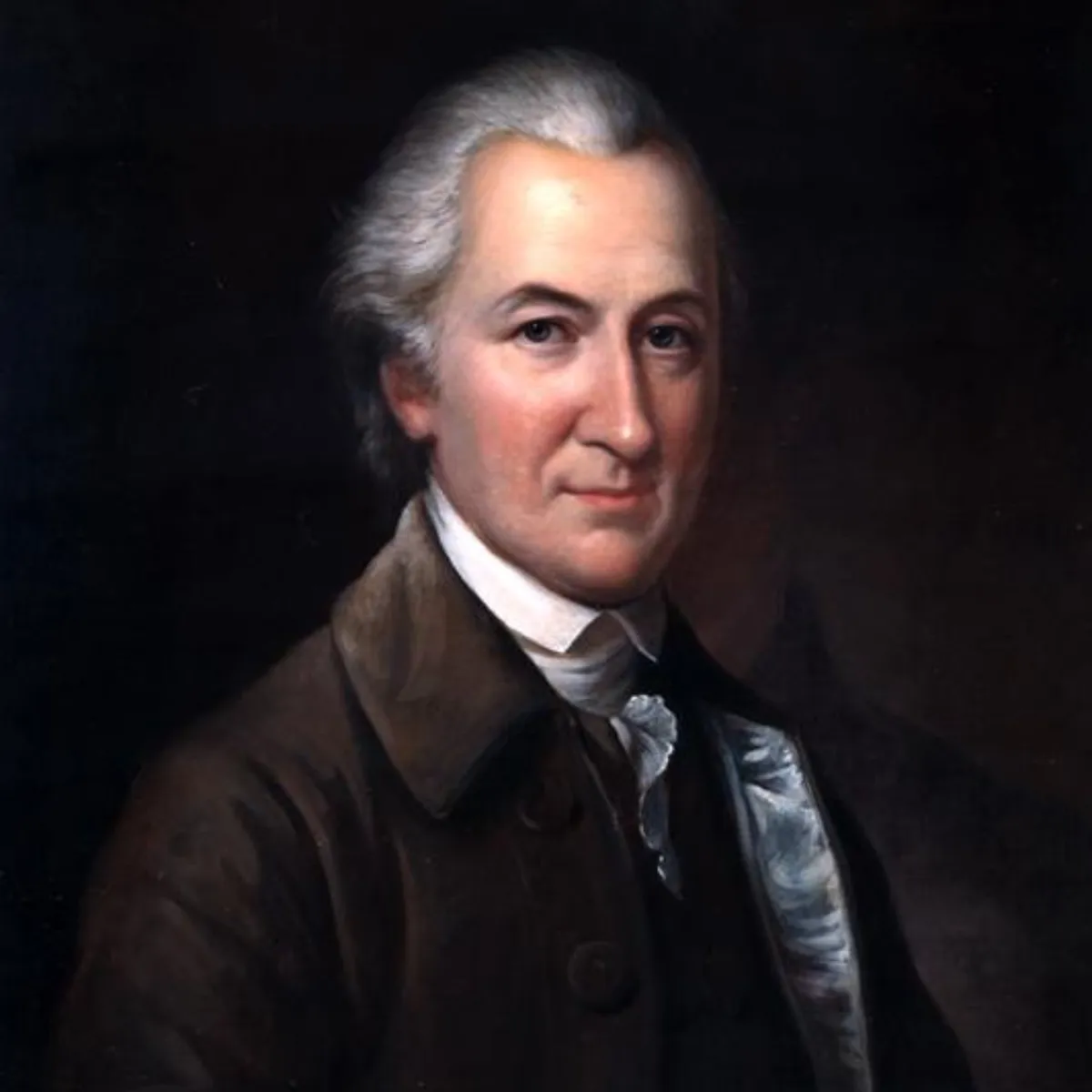
“Great Britain,” they say, “is too powerful to contend with; she is determined to oppress us; it is in vain to speak of right on one side, when there is power on the other; when we are strong enough to resist we shall attempt it; but now we are not strong enough, and therefore we had better be quiet; it signifies nothing to convince us that our rights are invaded when we cannot defend them; and if we should get into riots and tumults about the late act, it will only draw down heavier displeasure upon us. ”" – John Dickinson
Source: Are these men ignorant that usurpations, which might have been successfully opposed at first, acquire strength by continuance, and thus become irresistible? John Dickinson
Tags: Founders
“Whoever seriously considers the matter, must perceive that a dreadful stroke is aimed at the liberty of these colonies. I say, of these colonies; for the cause of one is the cause of all. If the parliament may lawfully deprive New York of any of her rights, it may deprive any, or all the other colonies of their rights; and nothing can possibly so much encourage such attempts, as a mutual inattention to the interests of each other. To divide, and thus to destroy, is the first political maxim in attacking those, who are powerful by their union. – John Dickinson
Source:
Tags: Founders
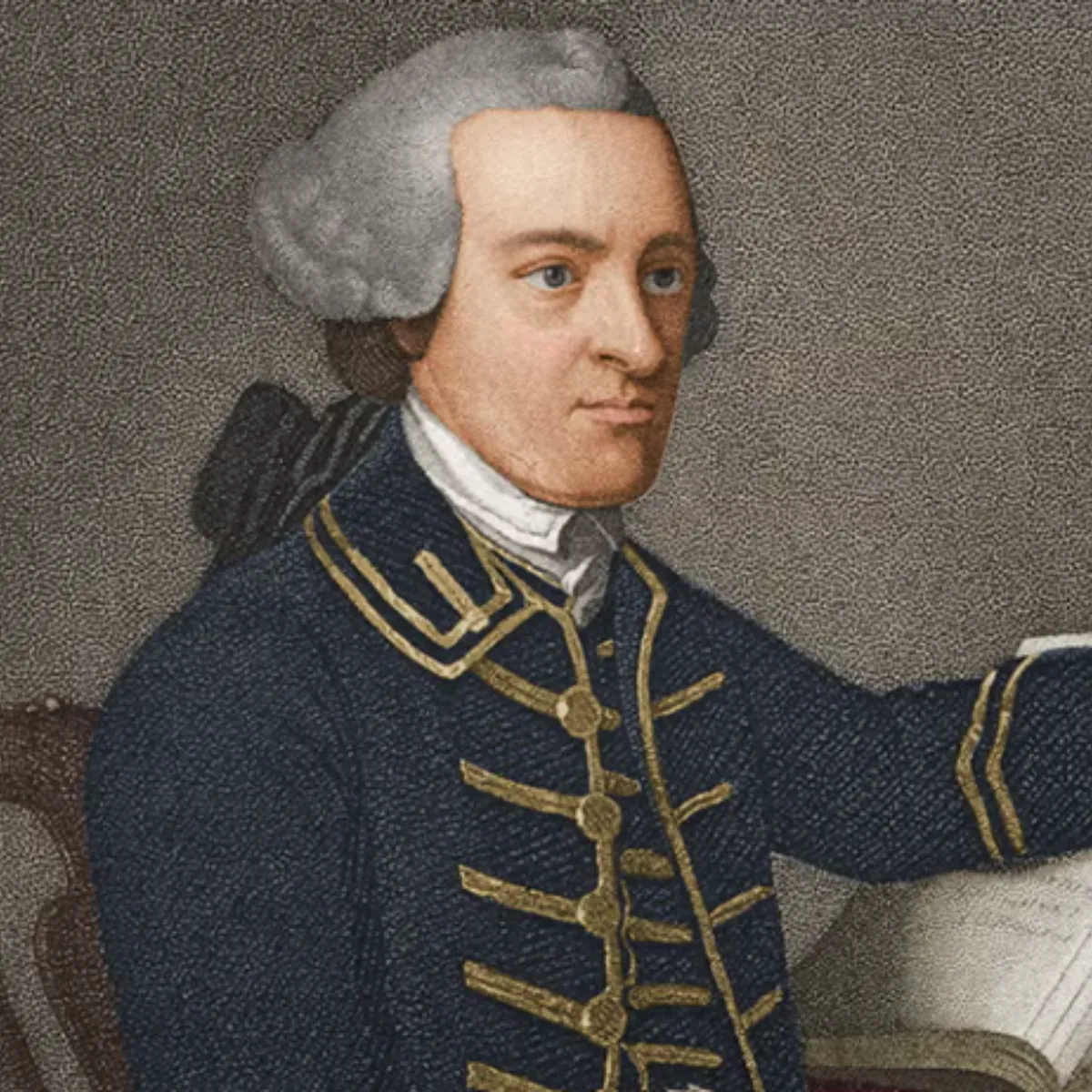
"Gentlemen: As that Being in whose hands is the government of all the nations of the earth, and who putteth down one, and raiseth up another, according to His sovereign pleasure, has given to the people of these States a rich and an extensive country; has in a marvellous manner given them a name and a standing among the nations of the world, has blessed them with external peace and internal tranquillity; I hope and pray that the gratitude of their hearts may be expressed by a proper use of those inestimable blessings, by the greatest exertions of patriotism, by forming and supporting institutions for cultivating the human understanding, and for the greatest progress of the arts and sciences, by establishing laws for the support of piety, religion and morality, as well as for punishing vice and wickedness, and by exhibiting on the great theatre of the world, those social, public and private virtues, which give more dignity to a people possessing their own sovereignty, than crowns and diadems afford to sovereign princes," – John Hancock
Source: John Hancock, Debates and proceedings in the Convention of the commonwealth of Massachusetts, held in the year 1788, and which finally ratified the Constitution of the United States, page 284
Tags: 9th amendment, federalism & states, founders, sovereignty, sovereignty of the people, virtue & character
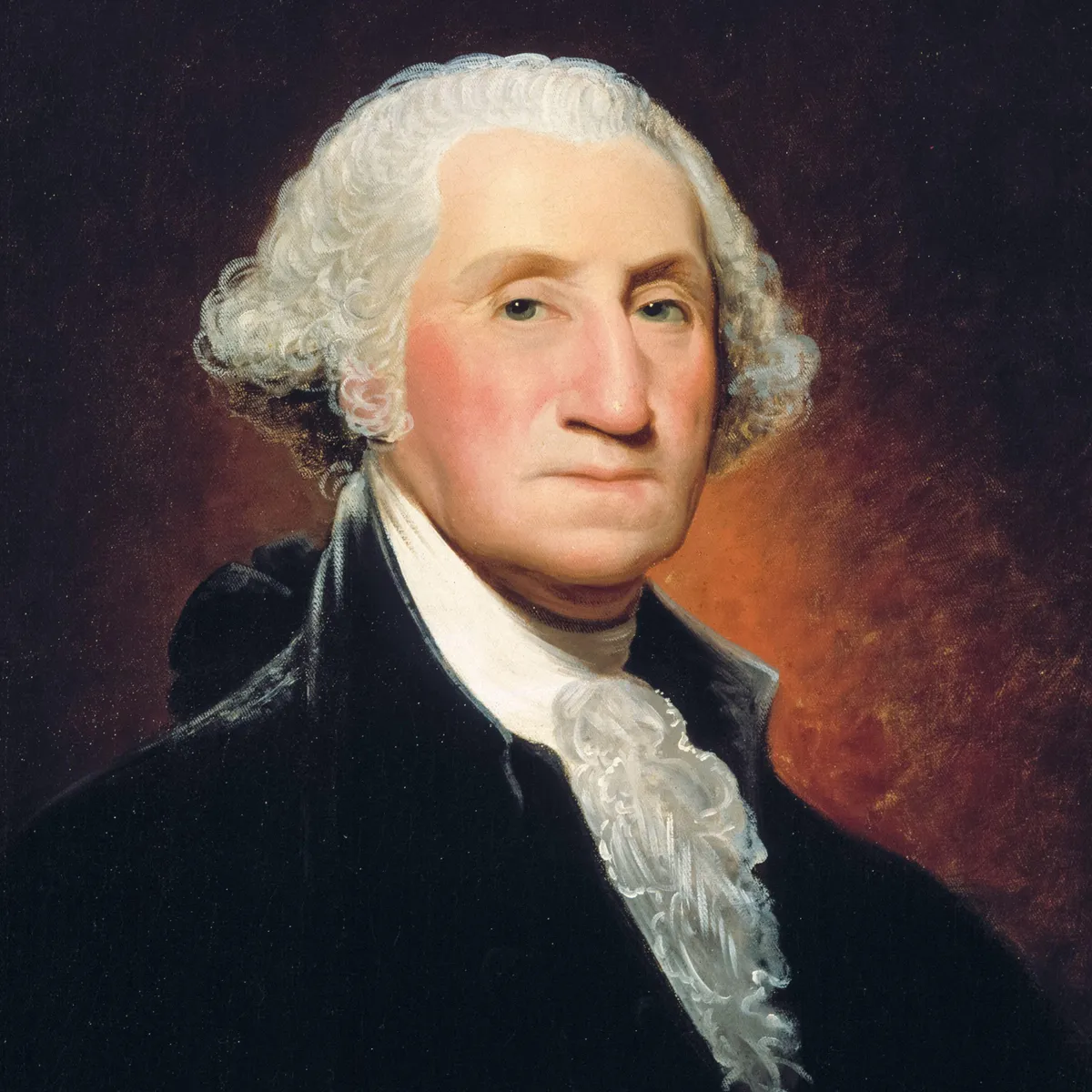
“It is important, likewise, that the habits of thinking in a free country should inspire caution in those entrusted with its administration, to confine themselves within their respective constitutional spheres; avoiding in the exercise of the powers of one department to encroach upon another. The spirit of encroachment tends to consolidate the powers of all the departments in one, and thus to create whatever the form of government, a real despotism. A just estimate of that love of power, and proneness to abuse it, which predominates in the human heart is sufficient to satisfy us of the truth of this position. The necessity of reciprocal checks in the exercise of political power, by dividing and distributing it into different depositories, and constituting each the guardian of the public weal [“common good”] against invasions by the others, has been evinced by experiments ancient and modern; some of them in our country and under our own eyes. To preserve them [“reciprocal checks”] must be as necessary as to institute them.” - George Washington
Source: George Washington, Farewell Address, 1796
Tags: constitutional spheres, divisions of govt, govt structure, limited government, preserve checks, reciprocal checks, sovereignty of the people, structure & checks, tyranny & centralization
“It appears to me, then, little short of a miracle, that the Delegates from so many different States ... should unite in forming a system of national Government, so little liable to well-founded objections.” - George Washington
Source: George Washington, Letter to Marquis de Lafayette, 1788
Tags: constitution a miracle, federalism & states, union & association
GIVE / SUSTAIN
"$5 a week sustains the work"
IGOVERN.US
An Initiative of the Where's the Line America Foundation, a 501(c)(3) non profit. Structure over Politics. America only works...when WE do
LEARN
ACT
CONNECT
iGovern.US is a dba of Where's the Line America Foundation, a 501(c)(3) tax-exempt organization.
Invest in yourself as the “boss” of our exceptional
American structure of government.
FOLLOW US


COMPANY
Content
resources
iGovern.US is a dba of Where's the Line America Foundation, a 501(c)(3) tax-exempt organization.